Cleaning & Organization
How I Decluttered My Home, Room by Room (Without Feeling Overwhelmed)
As a busy mom with three kids, I turned our cluttered home into an organized sanctuary by tackling one room at a time. Here's my stress-free approach that actually worked for our family.
Cleaning & Organization
How I Decluttered My Home, Room by Room (Without Feeling Overwhelmed)
Sarah Johnson January 5, 2025 1.8k
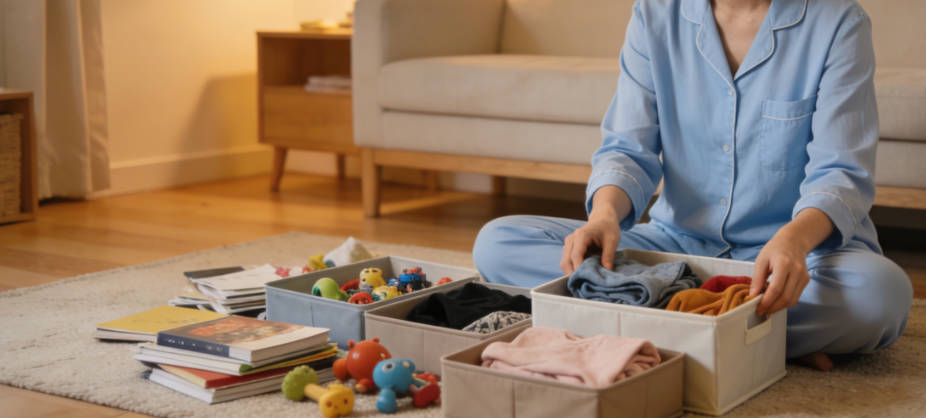
Let me set the scene: It's a Saturday morning, and I'm standing in the middle of our living room, surrounded by toys, books, and random household items. My kids are running around, my husband is trying to work from the dining table, and I can feel the stress building. I had promised myself I would get the house organized, but the task seemed insurmountable. Sound familiar? This was my reality a year ago. Our home had become so cluttered that it was affecting our daily lives and my mental health. I knew something had to change, but I didn't know where to start. Over the next few months, I developed a room-by-room decluttering strategy that helped me transform our home without feeling overwhelmed. In this post, I'll share exactly what worked for our family, including the mistakes I made and the tips that made all the difference.
The biggest mistake I made initially was trying to declutter the entire house at once. I spent an entire weekend rushing from room to room, feeling more stressed than ever, and by Sunday night, the house looked worse than it did on Friday. I realized I needed a different approach. Instead of trying to tackle everything at once, I decided to focus on one room at a time. I started with the living room, since that's where we spend most of our time as a family. I gave myself a full week to work on it, just 30 minutes each day after the kids went to bed. This slow, steady approach made the task feel manageable, and I could actually see progress each day. By the end of the week, the living room was transformed, and I felt motivated to move on to the next room.
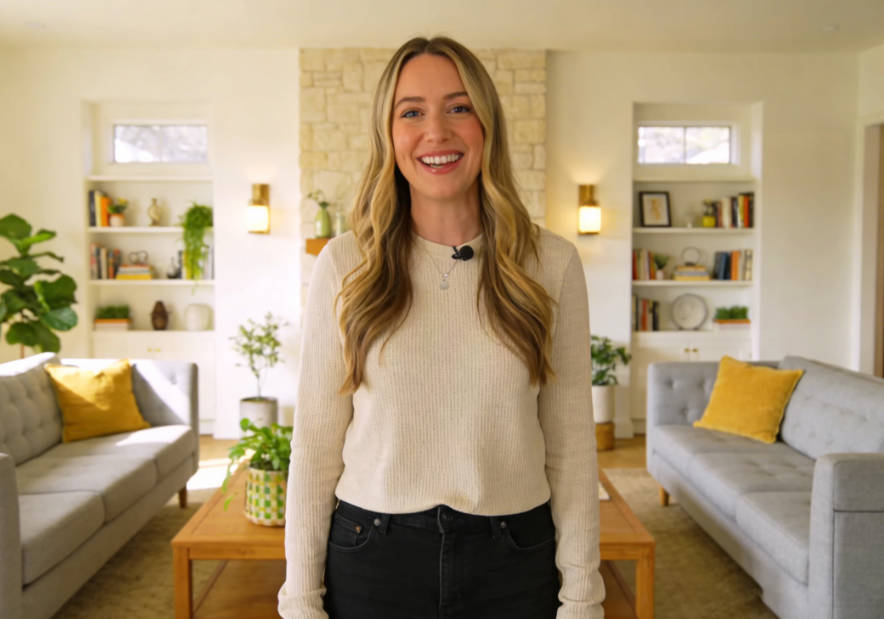
"Decluttering isn't about perfection—it's about creating a space that works for your family's unique needs." Sarah Johnson
One of the most helpful strategies I discovered was the "three-box method": keep, donate, and trash. For each room, I started with three clearly labeled boxes. As I went through items, I made quick decisions about where each one belonged. I was strict with myself—if I hadn't used an item in the past year, it went into either the donate or trash box. I also created a "maybe" box for items I was unsure about, but I set a rule: if I didn't retrieve anything from the "maybe" box within a month, it automatically went to donation. This system helped me make decisions more quickly and avoided the common trap of getting stuck on sentimental items. Another tip that made a big difference was taking before and after photos. Seeing the transformation kept me motivated, and it was rewarding to look back at how far we'd come.
As I moved from room to room, I realized that each space presented its own unique challenges. The kitchen, for example, was filled with gadgets and utensils I never used, while the kids' bedrooms were overflowing with toys. For each room, I adapted my approach slightly. In the kitchen, I took everything out of the cabinets, wiped them down, and only put back the items I actually used on a regular basis. I also invested in some affordable organizers to keep things tidy. In the kids' bedrooms, I involved them in the process, which helped them learn about responsibility and the importance of letting go of items they no longer needed. We made it a game—who could find the most toys to donate? This made the process fun for them and took some of the pressure off me. Throughout the entire process, I reminded myself that decluttering is a journey, not a destination. There were days when I felt like I wasn't making progress, but I kept going, and eventually, the hard work paid off.
Slow and steady wins the decluttering race.
My Room-by-Room Decluttering Journey
Let me walk you through how I tackled each room in our home, starting with the easiest and moving on to the most challenging. This order worked well for me because it allowed me to build momentum before taking on the harder spaces.
1. Living Room: The Foundation
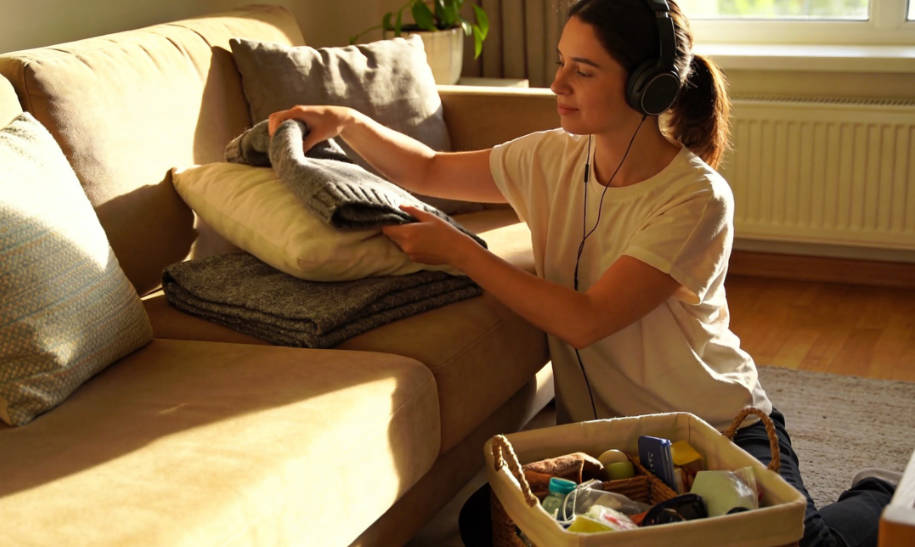
The living room was my starting point because it's where we spend most of our family time. I began by clearing off all surfaces—coffee tables, end tables, and shelves. Then I went through each item, asking myself if it belonged in the living room and if we actually used it. I donated old magazines, broken electronics, and decorative items that no longer fit our style. I also invested in some storage baskets for toys and blankets, which helped keep the space tidy. By the end of the week, the living room felt open and inviting, and it became a place we actually wanted to spend time in.
2. Kitchen: The Heart of the Home
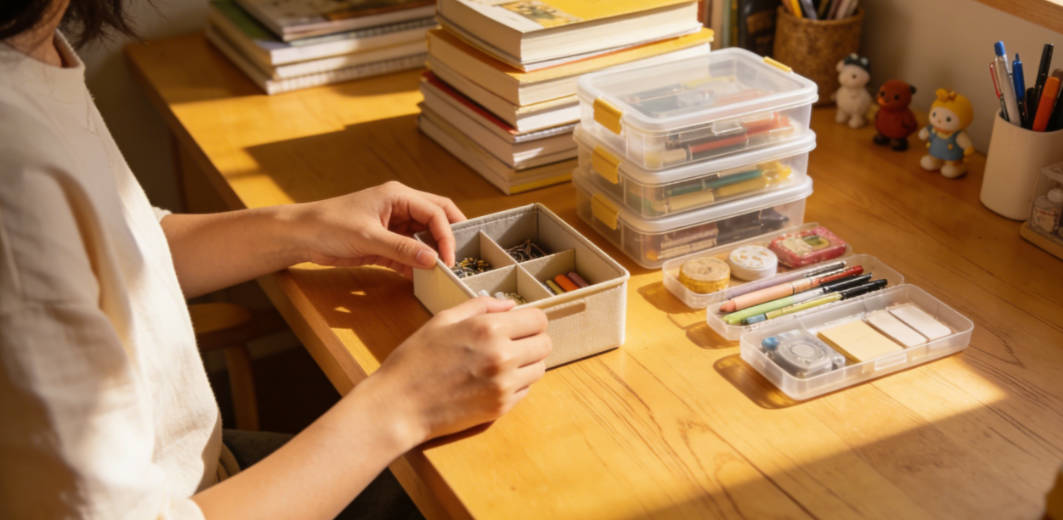
The kitchen was next on my list. I started by emptying one cabinet at a time, wiping down the shelves, and only putting back the items I actually used. I donated gadgets I hadn't used in years, expired food, and duplicate utensils. I also organized the pantry, grouping similar items together and using clear containers to store dry goods. This made it easier to see what we had and reduced food waste. One of the best decisions I made was to create a "junk drawer" organizer—no more digging through a messy drawer to find a pen or a measuring tape! The kitchen became a more functional space, and cooking felt less stressful.
3. Kids' Bedrooms: A Collaborative Effort
Tackling the kids' bedrooms was a bit more challenging, but involving them in the process made it easier. I started by explaining why we were decluttering and how it would benefit them—more space to play, easier to find their toys, and the opportunity to help other kids by donating toys they no longer used. We went through their toys together, and I let them make decisions about what to keep and what to donate. I was surprised by how willing they were to let go of items they hadn't played with in a while. I also helped them organize their closets and drawers, using dividers to separate clothes and shelves to display their favorite toys. By the end, their bedrooms were tidy and functional, and they were proud of the work we'd done together.
4. Master Bedroom: A Personal Retreat
The master bedroom was a priority for me because I wanted a peaceful space to unwind at the end of the day. I started by decluttering the closet—getting rid of clothes that no longer fit or that I hadn't worn in over a year. I also organized my dresser drawers, using dividers to keep things neat. I cleared off the nightstands, keeping only the essentials: a lamp, a book, and a glass of water. I also donated old bedding and pillows, replacing them with fresh, new ones. The master bedroom became a calm, inviting space, and I looked forward to going to bed each night.
5. Garage: The Final Frontier
The garage was the most challenging space, but by the time I got to it, I had developed a system that worked. I started by sorting items into categories: tools, sports equipment, seasonal items, and trash. I donated items we no longer used, such as old bikes and camping gear, and threw away broken tools and rusted equipment. I also invested in some shelves and storage bins to keep things organized. It took a few weeks, but eventually, the garage was tidy, and we could actually park our cars inside. This was a huge win!
Tips for Success: What I Wish I'd Known Earlier
- Start small and build momentum
- Create a routine to maintain your space
- Be realistic about what you actually use
- Involve your family in the process
Focus on one small area at a time to avoid feeling overwhelmed.
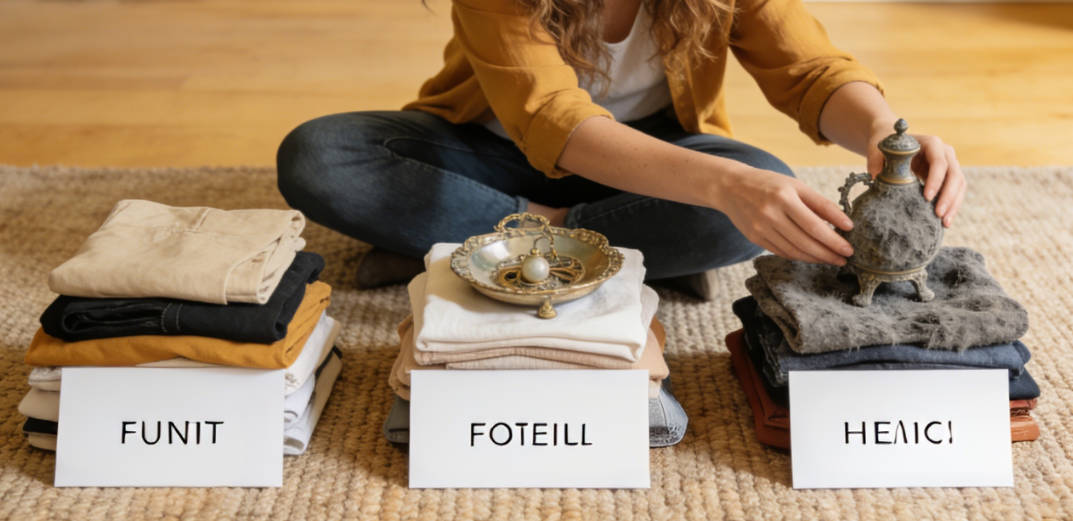
Spend 10 minutes each day tidying up to prevent clutter from building up.
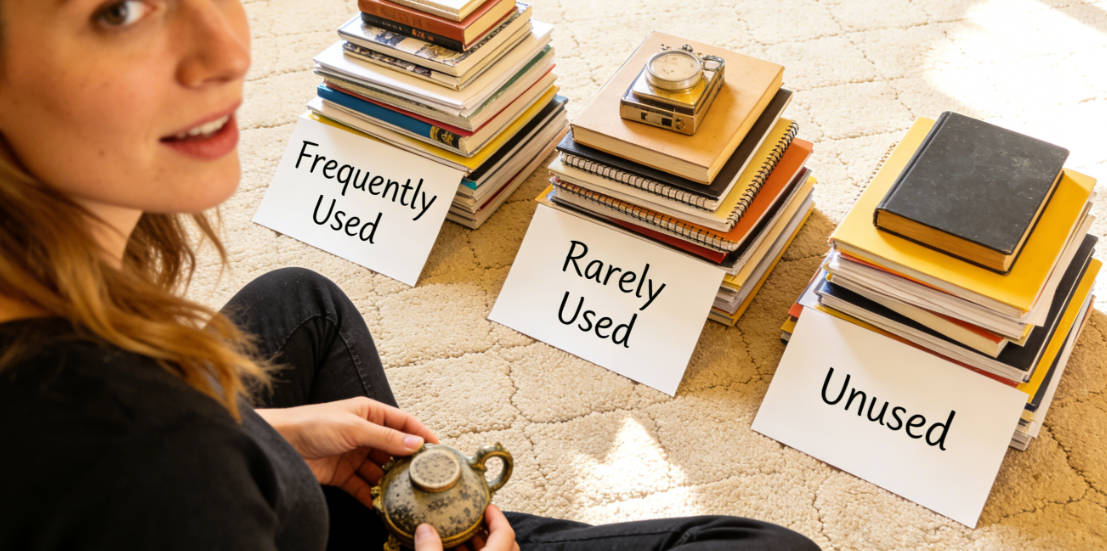
If you haven't used an item in a year, you probably don't need it.
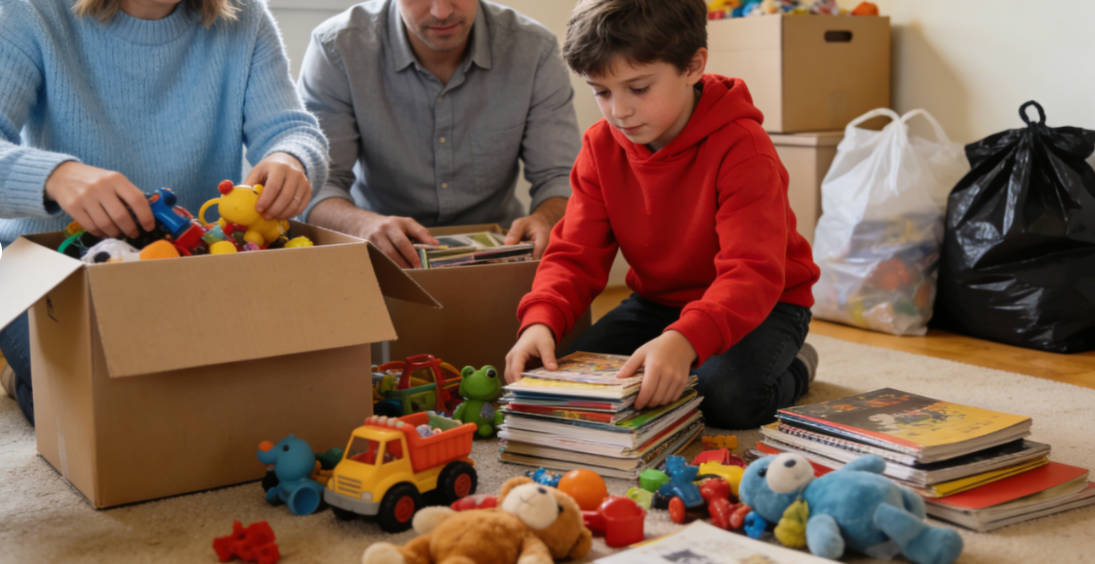
Decluttering is a team effort—everyone in the family should contribute.
One of the most important lessons I learned throughout this process is that decluttering isn't just about getting rid of things—it's about creating a space that reflects your values and supports your lifestyle. For our family, that meant creating a home that was functional, peaceful, and filled with only the things we truly loved and used. It wasn't always easy, and there were days when I felt like giving up, but the end result was worth it. Our home now feels like a sanctuary, not a source of stress. I no longer spend time searching for lost items or feeling overwhelmed by clutter. Instead, I can focus on what really matters: spending quality time with my family.
Another important lesson was that decluttering is an ongoing process, not a one-time event. Life happens—birthdays, holidays, and everyday purchases bring new items into our home. To maintain the clutter-free space we've created, I've implemented a few simple habits: a 10-minute tidy-up each night before bed, a "one in, one out" rule for new purchases, and a monthly review of each room to make sure things are still organized. These small habits have helped us keep our home clutter-free without feeling like we're constantly cleaning.
If you're feeling overwhelmed by clutter in your home, I want to encourage you to start small. Pick one room, or even just one corner of a room, and start there. Set aside a few minutes each day to work on it, and be patient with yourself. Remember that progress is progress, no matter how small. With time and consistency, you can transform your home into a space that feels calm, organized, and truly yours. And when you do, you'll wonder why you didn't start sooner.
At the end of the day, decluttering isn't about having a perfect home—it's about creating a space that works for you and your family. It's about letting go of the things that no longer serve you and making room for the things that do. It's a process that requires time, effort, and patience, but the rewards are well worth it. I hope my journey inspires you to start your own decluttering journey, and I wish you all the best as you create a home that feels like a sanctuary.

Written By
Sarah Johnson
I'm a busy mom of three who transformed our cluttered home into an organized sanctuary by tackling one room at a time. After years of feeling overwhelmed by clutter, I developed a stress-free approach that worked for our family. I'm passionate about sharing my journey and practical tips to help other families create calm, organized homes without feeling overwhelmed.
PREVIOUS POST
 Quick and Healthy Weeknight Dinners for Busy Families
January 5, 2025
Quick and Healthy Weeknight Dinners for Busy Families
January 5, 2025
NEXT POST
A Simple Weekly Cleaning Schedule That Works for Our Home January 18, 2025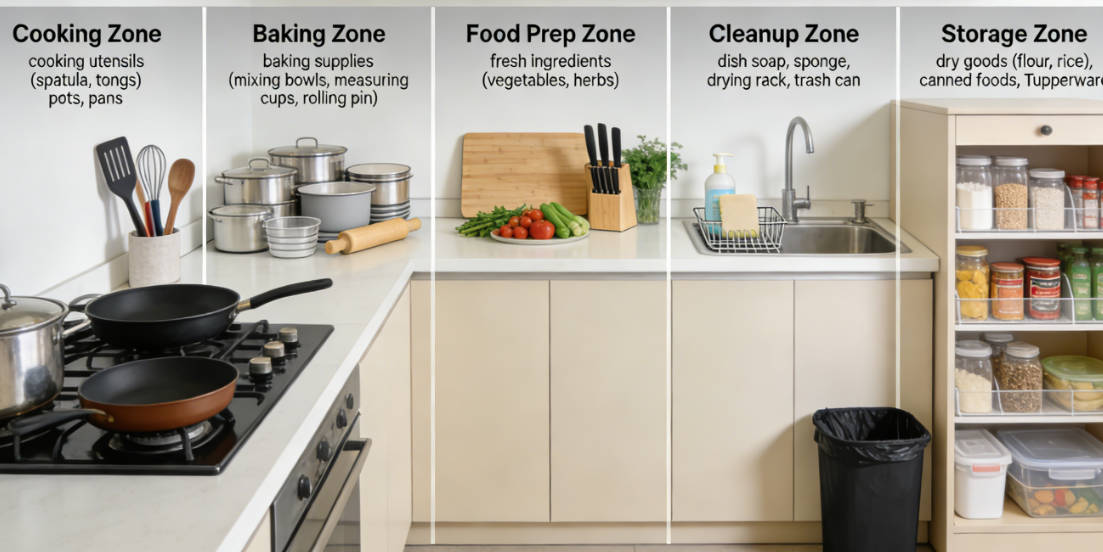
You might also like
Cleaning & Organization
A Simple Weekly Cleaning Schedule That Works for Our Home
January 18, 2025
After years of trial and error, I've created a cleaning routine that fits our busy family life without feeling overwhelming.
Kitchen Life
5 Essential Kitchen Organization Ideas That Actually Work
January 20, 2025
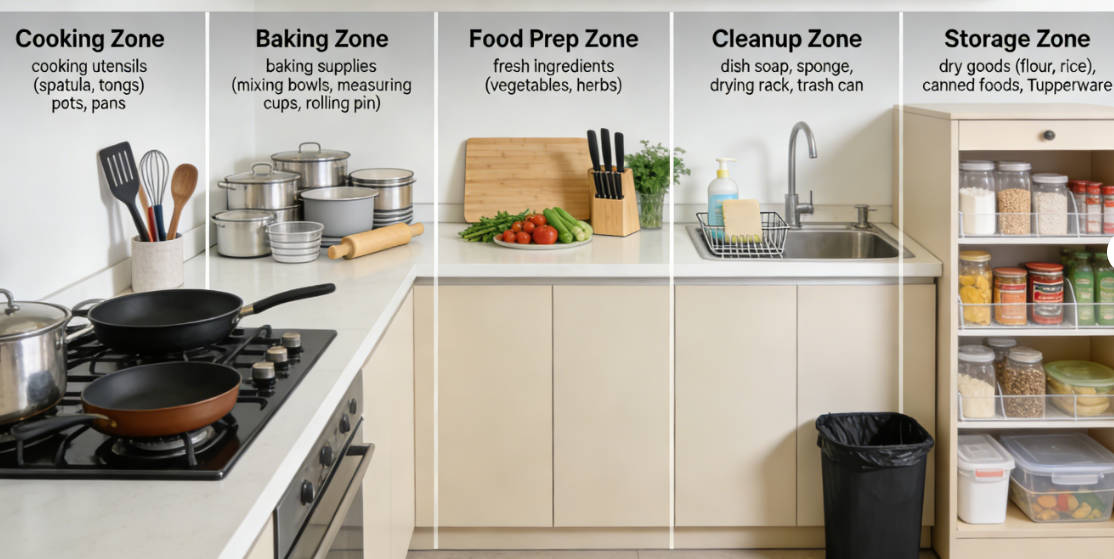
As a busy mom, I've tested countless kitchen organization methods. These five ideas have transformed my daily cooking routine.
Leave a Comment
Sarah Johnson
A passionate homemaker and mom of three who transformed her cluttered home into an organized sanctuary. Sarah shares practical tips for busy families to create calm, functional homes without feeling overwhelmed.
Must Read
-
Cleaning & Organization
A Simple Weekly Cleaning Schedule That Works
January 18, 2025
-
Kitchen Life
5 Essential Kitchen Organization Ideas
January 20, 2025
-
 Living Environment
How I Created a Relaxing Reading Nook at Home
January 15, 2025
Living Environment
How I Created a Relaxing Reading Nook at Home
January 15, 2025
Categories
Social
Follow Us
Newsletter
Subscribe to our Newsletter
Subscribe to get our best cleaning and organization tips straight into your inbox!
Subscribe
-
 Family Life
How to Create a Cozy Living Space Without Spending a Fortune
January 22, 2025
Family Life
How to Create a Cozy Living Space Without Spending a Fortune
January 22, 2025
-
Cleaning & Organization
A Simple Weekly Cleaning Schedule That Works
January 18, 2025
-
Kitchen Life
5 Essential Kitchen Organization Ideas
January 20, 2025