Home Safety
How We Childproofed Our Home for a Growing Family
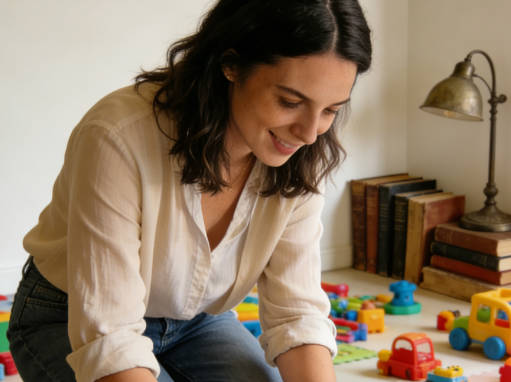
As our family grew from one child to three, we learned that childproofing isn't a one-time project—it's an ongoing process. Here's how we adapted our home safety measures for children of different ages and stages.
Home Safety
How We Childproofed Our Home for a Growing Family
Sarah Johnson January 12, 2025 1.8k
When we brought our first baby home from the hospital, I remember feeling overwhelmed by the thought of keeping her safe. I spent hours researching childproofing products, watching YouTube tutorials, and meticulously baby-proofing every corner of our home. But as our family grew to include two more children, I quickly learned that childproofing isn't a one-and-done task—it's a constant evolution that needs to adapt as your children grow and develop new skills. What worked for our curious toddler wasn't sufficient for our adventurous preschooler, and what kept our preschooler safe wasn't enough for our independent school-aged child.
Over the years, we've tried countless childproofing strategies, learned from our mistakes, and discovered what truly works for a growing family. This journey hasn't always been easy—there have been bumps, bruises, and a few near-misses along the way—but it's taught us valuable lessons about creating a safe home environment that allows our children to explore and grow while minimizing risks. In this post, I'll share our childproofing evolution, from the early days with our first baby to now, with three children at different stages of development.
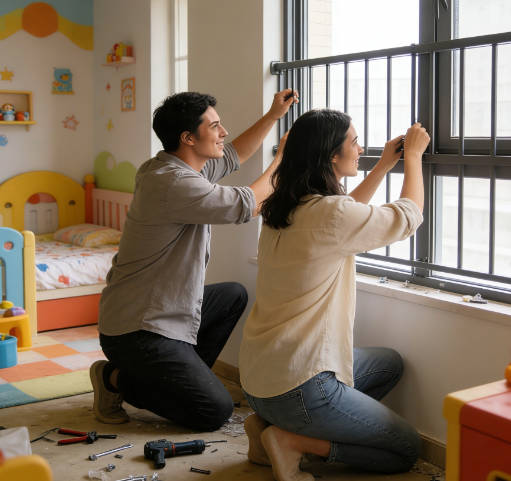
"Childproofing isn't about creating a sterile environment—it's about balancing safety with your child's need to explore and learn." Sarah Johnson
One of the biggest lessons we've learned is that childproofing should be tailored to each child's individual personality and developmental stage. Our oldest child was cautious by nature, so we didn't need to be as vigilant with her. But our middle child was a fearless climber who would scale furniture like a mountain goat, requiring much more intensive safety measures. And our youngest? Well, he's a combination of both—cautious in some situations, completely reckless in others. This has taught us to be flexible and to constantly reassess our home safety measures as our children grow and change.
Another important insight was realizing that childproofing isn't just about physical safety—it's also about teaching our children to be safe. As our kids grew older, we started involving them in the process, explaining why certain safety measures were in place and teaching them how to use potentially dangerous items responsibly. This approach has helped them develop a sense of responsibility and awareness that will serve them well as they become more independent.
The best childproofing strategy combines physical barriers with education and supervision.
Our Childproofing Journey
Our childproofing journey began when we were expecting our first child. Like many new parents, we went a bit overboard, covering every outlet, padding every corner, and installing safety gates at every staircase. But as our family grew, we learned to be more strategic about our childproofing efforts, focusing on the most critical areas and adapting our approach as our children developed new skills.

Stage 1: The Baby Years (0-12 months)
During the baby years, our focus was on preventing falls, choking, and electrical hazards. We installed safety gates at the top and bottom of our staircase, covered all electrical outlets, secured heavy furniture to the wall, and kept small objects out of reach. We also made sure to place cribs, changing tables, and other baby furniture away from windows and blind cords.
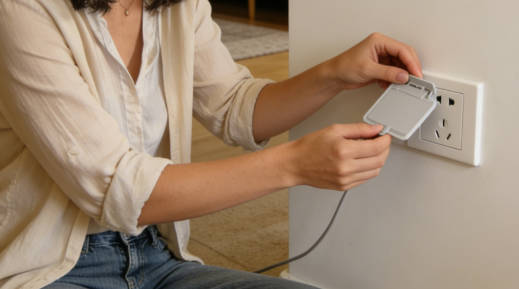
Protection during infancy
Stage 2: The Toddler Years (1-3 years)
As our children entered the toddler years, we faced new challenges. Our once stationary babies became mobile explorers, climbing, opening, and investigating everything in their path. We had to upgrade our safety gates to taller, more secure models, install cabinet locks in the kitchen and bathroom, and put childproof covers on doorknobs. We also started teaching our toddlers basic safety rules, like "no touching the stove" and "always hold the handrail."

Protection During Early Childhood
Stage 3: The Preschool Years (3-5 years)
During the preschool years, our children became more independent and capable, but they still lacked the judgment to fully understand safety risks. We started removing some of the physical barriers, like cabinet locks in non-hazardous areas, but kept others in place, like safety gates at the top of the stairs. We also began involving our children in simple safety tasks, like helping us check smoke detectors and learning how to use emergency exits.
Stage 4: The School-Age Years (5+ years)
As our children entered school, we continued to adapt our childproofing strategy. We removed most physical barriers, but kept safety measures in place for younger siblings. We also focused more on teaching our older children about safety, including internet safety, bike safety, and how to respond in emergencies. We encouraged them to take responsibility for their own safety and the safety of their younger siblings, which has helped them develop a sense of pride and maturity.
Key Childproofing Tips That Worked for Us
- Secure heavy furniture to the wall
- Install safety gates at staircases
- Use outlet covers and cord organizers
- Lock cabinets containing hazardous items
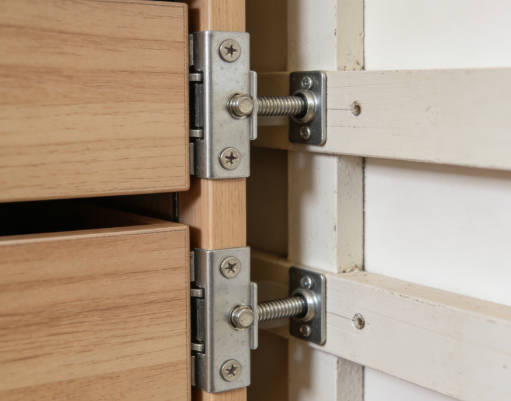
Secure heavy furniture to the wall to prevent tipping.
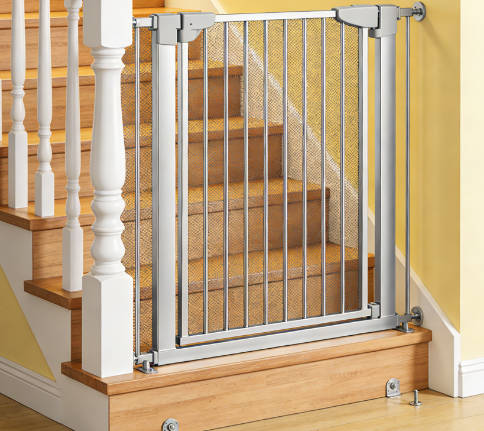
Install safety gates at both the top and bottom of staircases.
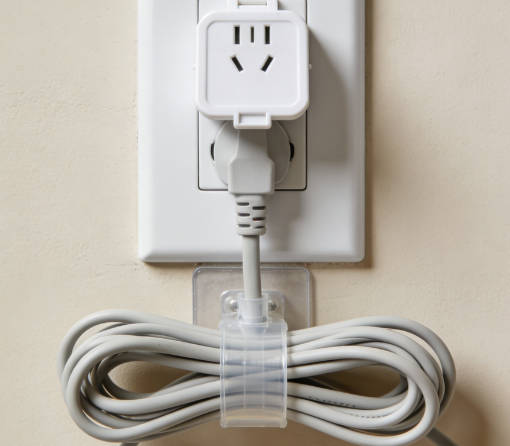
Use outlet covers and cord organizers to prevent electrical hazards.

Lock cabinets containing cleaning supplies, medications, and other hazardous items.
One of the most important things we've learned is that childproofing should be a collaborative effort. We've worked together as a family to create a safe home environment, and we've involved our children in the process as they've grown older. This has not only made our home safer, but it's also helped our children develop a sense of responsibility and awareness that will serve them well throughout their lives.
Another key to our success has been staying informed about the latest childproofing products and safety recommendations. We've researched products, read reviews, and talked to other parents to find the most effective safety solutions for our home. We've also made sure to regularly check our childproofing measures to ensure they're still working properly and are appropriate for our children's current developmental stages.
Remember, no childproofing strategy is foolproof. Accidents can still happen, even in the most carefully childproofed home. That's why supervision is always the most important safety measure. But by taking a proactive approach to childproofing and adapting your strategy as your children grow, you can significantly reduce the risk of accidents and create a home environment that allows your children to thrive.

Written By
Sarah Johnson
I'm a busy mom of three who has learned a thing or two about childproofing over the years. From the early days with our first baby to now, with children at different stages of development, I've tested countless childproofing strategies and learned what truly works for a growing family. I love sharing practical, realistic tips that help other parents create safe home environments without sacrificing their child's need to explore and learn.
PREVIOUS POST
 How I Created a Relaxing Reading Nook at Home
January 15, 2025
How I Created a Relaxing Reading Nook at Home
January 15, 2025
NEXT POST
A Simple Weekly Cleaning Schedule That Works for Our Home January 18, 2025
You might also like
Family Life
How to Create a Cozy Living Space Without Spending a Fortune
January 22, 2025

When my husband and I moved into our first apartment, we were determined to create a cozy space without breaking our budget.
Cleaning & Organization
A Simple Weekly Cleaning Schedule That Works for Our Home
January 18, 2025
After years of trial and error, I've created a cleaning routine that fits our busy family life without feeling overwhelming.
Leave a Comment
Sarah Johnson
A passionate homemaker and mother of three who loves sharing practical tips and creative ideas for making home life better. From childproofing your home to creating cozy living spaces, I'm here to help you navigate the challenges and joys of family life.
Must Read
-
Family Life
How to Create a Cozy Living Space Without Spending a Fortune
January 22, 2025
-
Cleaning & Organization
A Simple Weekly Cleaning Schedule That Works for Our Home
January 18, 2025
-
Living Environment
How I Created a Relaxing Reading Nook at Home
January 15, 2025
Categories
Social
Follow Us
Newsletter
Subscribe to our Newsletter
Subscribe to get our best new stories straight into your inbox!
Subscribe
-
Family Life
How to Create a Cozy Living Space Without Spending a Fortune
January 22, 2025
-
Cleaning & Organization
A Simple Weekly Cleaning Schedule That Works for Our Home
January 18, 2025
-
Living Environment
How I Created a Relaxing Reading Nook at Home
January 15, 2025